What Is Penicillin?
Penicillin is a class of medications used to treat bacterial infections like strep throat or urinary tract infections. The medication fights infection by attaching itself to and damaging the walls of the responsible bacteria.
There are a few types of penicillin, including penicillin G, penicillin V, amoxicillin and ampicillin. Penicillin antibiotics are available in oral or intravenous (IV) form. It’s a widely used and effective class of medications.
How Common Are Penicillin Allergies?
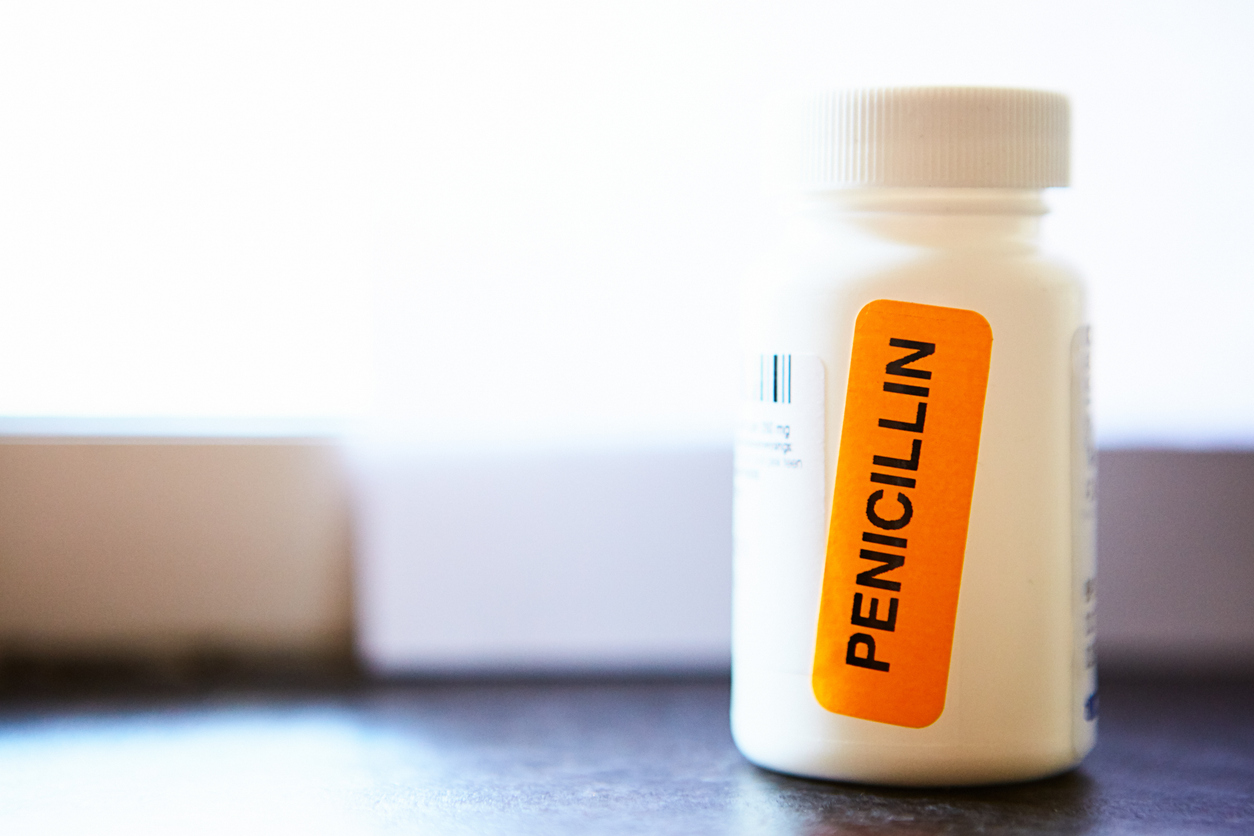
Penicillin allergies aren’t as common as many people think. Approximately 10% of U.S. patients report a penicillin allergy, but fewer than 1% are truly allergic, underscoring the need for allergy testing.
The Symptoms of a True Penicillin Allergy
Mild to moderate allergic reactions to penicillin may cause:
- Fever
- Runny or stuffy nose
- Itchy, watery eyes
- Hives (raised, itchy red bumps on the skin)
- Swelling of the face, lips, tongue or extremities
A severe reaction, called anaphylaxis, causes the following:
- Swelling of the throat
- Difficulty breathing
- Wheezing
- Coughing
- Chest tightness
- Dizziness
- Drop in blood pressure
- Rapid pulse
- Loss of consciousness
Anaphylaxis requires an epinephrine shot and emergency medical care.
Why Penicillin Allergies Are Frequently Misdiagnosed
In many cases, penicillin allergies are diagnosed in childhood. Many misdiagnoses happen because children display symptoms from the infection, rather than the drug used to treat it. In addition to an original misdiagnosis, many individuals who had a true penicillin allergy as a child lose their sensitivity over time, meaning they can safely take penicillin as adults.
Because penicillin is the preferred treatment for bacterial infections, it’s important to know whether you have a true allergy.
What Does Penicillin Allergy Testing Entail?
To identify a penicillin allergy, we begin with a thorough review of your medical history, including any past reactions that were attributed to penicillin.
Next, we’ll perform allergy skin testing by placing a small amount of the allergen just under the skin. If no reaction occurs within 20 minutes, the risk of a serious allergic reaction is low. In some cases, we’ll also have you take an oral dose of penicillin under our supervision to ensure there’s no reaction.
If testing reveals no penicillin allergy, you can safely take the medication moving forward.
Find Out If Penicillin Is Safe for You
It’s always better to be certain when it comes to your health. Call Ear, Nose and Throat Associates today to schedule your penicillin allergy test and gain the clarity you need to receive the most effective care.